



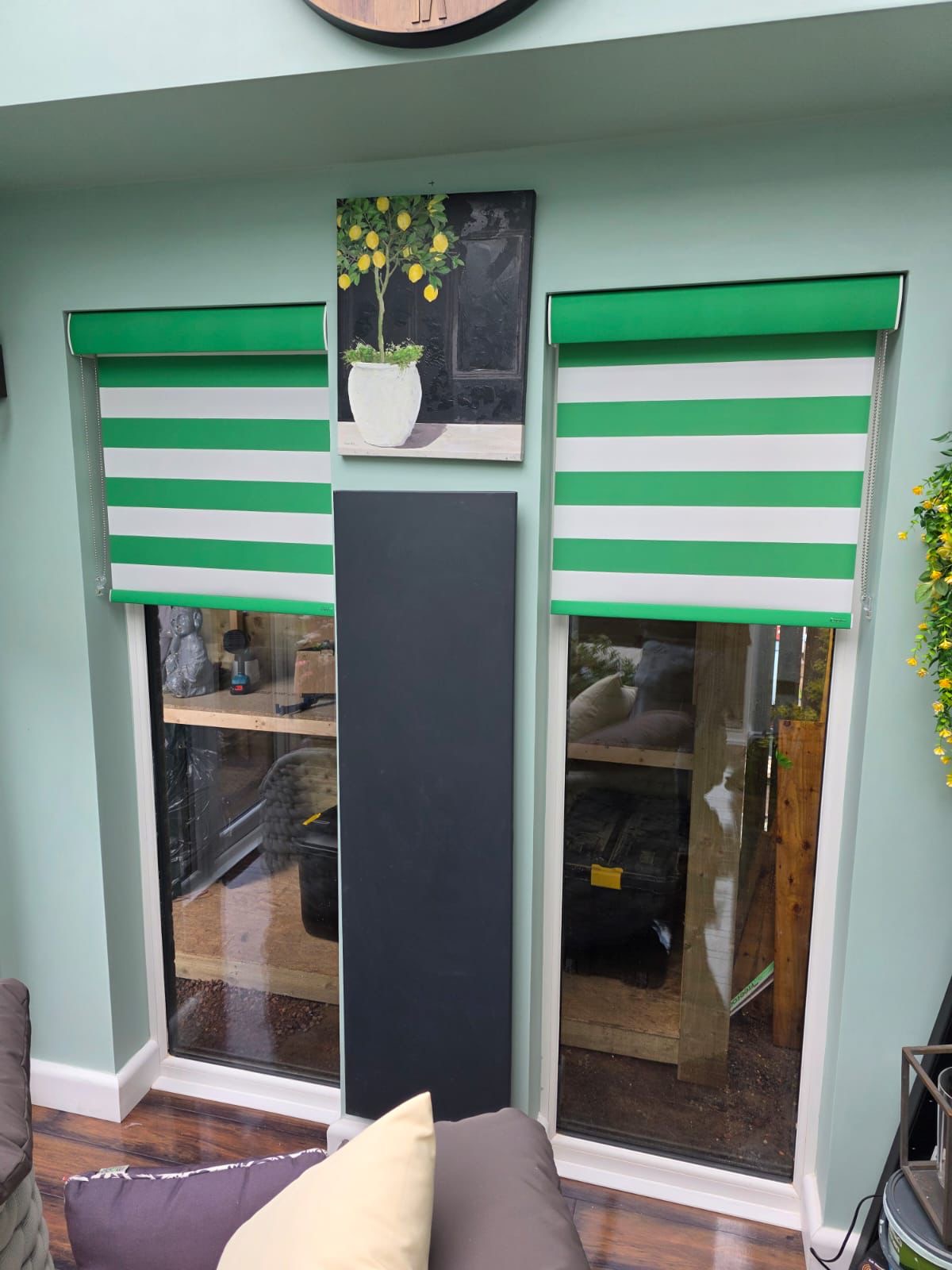
Choosing the right window coverings can make a noticeable difference to your home’s appearance, privacy and comfort.
When comparing shutters vs blinds, there are several factors to consider. Shutters generally offer a structured, long-lasting finish with adjustable privacy, while blinds provide greater flexibility in styles, materials and price.
Both have advantages, and the right choice depends on your windows, budget and how you use each room. This guide explores the key differences to help you decide which option suits your home.
The Quick Verdict: Should You Choose Shutters or Blinds?
Choose shutters if you want:
- A structured, fitted appearance
- Adjustable privacy and daylight
- A durable, long-term window covering
- Easy-to-clean surfaces
- A traditional or contemporary finish
Choose blinds if you want:
- More choice in fabrics, colours and designs
- A potentially lower upfront cost
- Blackout options for bedrooms
- Flexible styles for different rooms
- Window coverings that are easier to update
Neither option is automatically better. Many homeowners combine both to suit different spaces.
What Is the Difference Between Shutters and Blinds?
Shutters are rigid window coverings fitted within or around a window recess. Most feature adjustable louvres that tilt to control light and visibility.
Popular styles include full-height, café-style and tier-on-tier shutters, each offering different levels of coverage.
Blinds are available in fabric, wood, aluminium and synthetic materials. Depending on their design, they can be raised, lowered or tilted to manage light.
Our made-to-measure shutters provide a fitted finish, while our range of blinds includes options for different rooms and preferences.
Which Offers Better Privacy and Light Control?
Both options provide privacy, but their operation differs.
Shutters for Adjustable Privacy
Shutters allow you to tilt their louvres without fully opening the window covering.
Café-style shutters cover the lower window section, making them useful for street-facing rooms. Tier-on-tier designs allow the upper and lower sections to operate independently.
However, standard shutters do not provide complete darkness because light can enter around panels and louvres.
Blinds for Flexible Light Management
Venetian blinds offer adjustable slats, while roller blinds provide straightforward light control.
Blackout blinds are particularly useful in bedrooms where reducing incoming light is important, although small gaps around the edges may remain.
For privacy, consider shutters or Venetian blinds. For bedrooms, blackout blinds may be more practical.
Which Looks Better in Your Home?
Shutters create a distinctive architectural finish that suits both traditional and contemporary properties.
White shutters offer a versatile appearance, while wood-effect finishes introduce warmth.
Blinds provide more decorative flexibility. Roman blinds add softness through fabric, roller blinds suit minimalist interiors, and Venetian blinds create a neat, structured look.
If you regularly redecorate, blinds may be easier to coordinate with changing colours and furnishings.
Are Shutters or Blinds Easier to Maintain?
Shutters generally require regular dusting and occasional wiping with a suitable cloth.
Maintenance for blinds depends on their design:
- Roller blinds: Usually need light dusting or gentle cleaning.
- Venetian blinds: Individual slats require dusting.
- Roman blinds: Fabric folds may need more careful attention.
- Vertical blinds: Louvre cleaning depends on the material.
For kitchens and bathrooms, material choice matters. Moisture-resistant blinds or suitable composite shutters may be preferable to untreated wooden products.
Always follow the manufacturer’s cleaning recommendations.
How Do Shutters and Blinds Compare on Cost?
Blinds are generally more affordable initially, although prices vary considerably.
Shutters often cost more because of their rigid construction, materials and fitting requirements.
When comparing quotations for shutters vs blinds, consider window dimensions, product specifications, installation and expected maintenance.
Rather than focusing entirely on upfront cost, think about how long you intend to keep your window coverings.
Which Window Covering Works Best in Each Room?
| Room | Suggested Option | Main Benefit |
| Living room | Shutters or Roman blinds | Privacy and appearance |
| Bedroom | Blackout blinds | Reduced incoming light |
| Kitchen | Venetian blinds or suitable shutters | Practical cleaning |
| Bathroom | Moisture-resistant options | Suitability for humidity |
| Home office | Venetian blinds or shutters | Adjustable for lighting |
| Street-facing room | Café-style shutters | Lower-window privacy |
These recommendations are starting points. Window size, orientation and personal preferences should influence your final decision.
Common Questions About Carpet For Busy Homes
Are Shutters Better Than Blinds for Privacy?
Do Shutters Block Out More Light Than Blinds?
Are Shutters Suitable for Small Windows?
Which Lasts Longer, Shutters or Blinds?
Find the Right Window Coverings for Your Home
The shutters vs blinds decision ultimately depends on what matters most to you. Shutters suit homeowners looking for a structured, long-term finish, while blinds offer greater design flexibility and potentially lower initial costs.
Before choosing, consider privacy, daylight, maintenance and how each room is used. At K and C Blinds, we help homeowners across Clydebank and surrounding areas explore suitable window coverings, with made-to-measure options and professional fitting. If you’re unsure which option would work best, contact our team for practical advice and guidance.
